
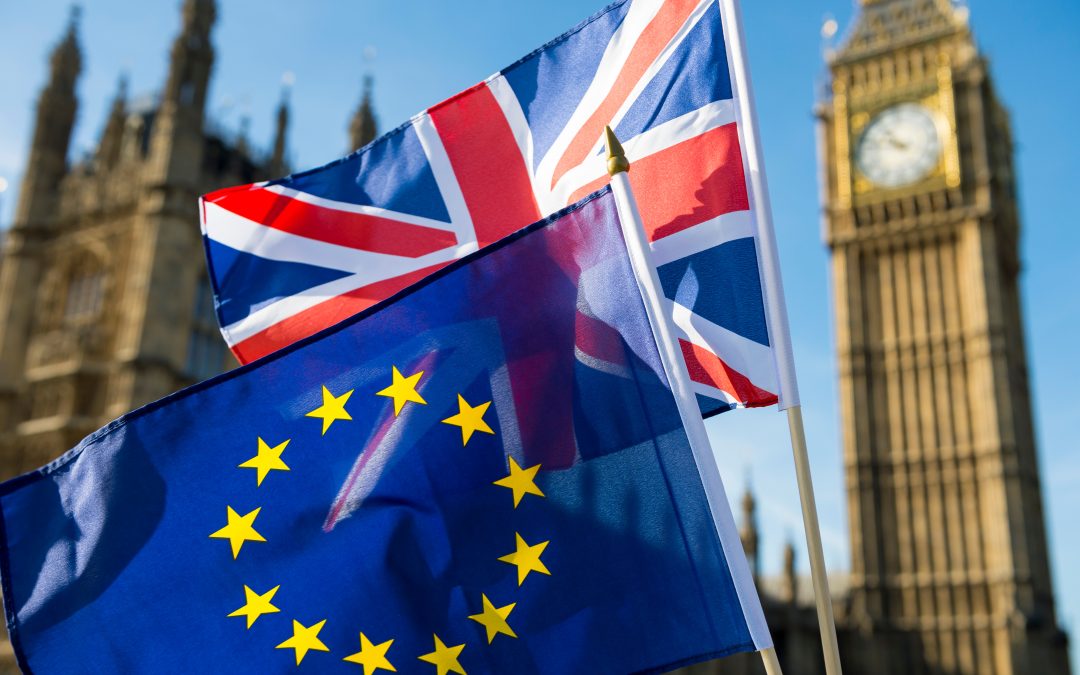
In recent years, the debate around the UK–EU relationship has begun to shift again. Rather than reopening the fundamental question of membership, the focus has increasingly moved towards what has been described as a “reset” of relations. The arrival of a Labour government has marked a more pragmatic tone in this discussion, not a reversal of Brexit, but an attempt to stabilise and gradually improve the terms of cooperation within the existing framework.
At the heart of this approach is a recognition that the current relationship, while functional, remains sub-optimal in several areas. The Trade and Cooperation Agreement provides a baseline structure but it does not fully address the frictions that have emerged since 2020. In response, the government has signalled an intention to pursue closer working arrangements in selected policy areas, particularly where practical benefits can be achieved without reopening the core settlement.
One of the clearest priorities has been the easing of barriers to trade and mobility where politically feasible. While full re-entry into the Single Market or Customs Union is not on the table, there is growing interest in reducing administrative burdens that have accumulated for businesses operating across borders. This includes discussions around veterinary and sanitary agreements to ease agrifood trade, as well as potential alignment in specific regulatory areas where divergence has created unnecessary friction.
A similar logic applies to mobility, particularly for young people and professionals. The government has expressed openness to improving opportunities for short-term exchanges, with renewed attention on schemes that would allow easier travel, study and work placements between the UK and EU member states. While politically sensitive, these proposals reflect an acknowledgment that the post-Brexit mobility framework has been one of the most visible areas of disruption.
Security and foreign policy cooperation has also emerged as a key pillar of the reset agenda. In an increasingly unstable geopolitical environment, both sides have shown an interest in strengthening coordination on issues such as sanctions, defence industrial cooperation and irregular migration. Here, the logic of geography and shared strategic interests has helped to rebuild a degree of pragmatic alignment, even in the absence of formal institutional integration.
At the same time, the reset remains carefully constrained by domestic political realities. The government has been clear that it is not seeking to reverse Brexit, nor to reopen the most contentious constitutional questions. Instead, the emphasis is on incremental improvements—“pragmatic cooperation” rather than structural reintegration. This reflects both the enduring sensitivity of the issue in UK politics and the EU’s own preference for stability within existing agreements.
From the EU perspective, there is cautious openness to this approach, but also a recognition that deeper cooperation will likely come on a sector-by-sector basis. The relationship is therefore evolving into something more transactional and modular: progress in one area does not automatically imply movement in another. This reinforces the broader post-Brexit pattern of managed interdependence, rather than unified integration.
Taken together, the idea of a reset does not represent a fundamental turning point in the UK–EU relationship, but rather a gradual realignment. It acknowledges the limits of the current framework while accepting the political constraints that prevent major structural change. In practice, it suggests a future defined less by dramatic shifts and more by steady, technical adjustments designed to reduce friction where possible.
Ten years on from the referendum, this shift in tone may be as significant as any formal policy change. It reflects a political and economic reality in which the relationship between the UK and EU is neither frozen nor fully resolved, but continuously renegotiated.