
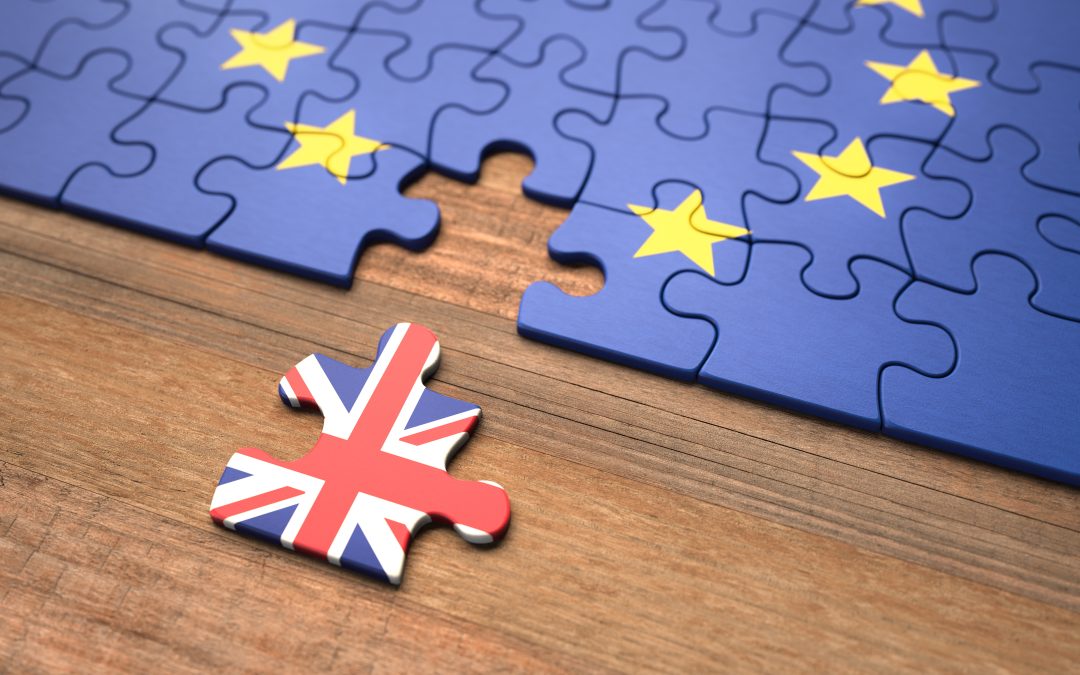
Ten years after the Brexit referendum, the United Kingdom continues to grapple with one of the most significant political and economic decisions in its modern history. Brexit has often been discussed as a single event: the vote of June 2016, the UK’s formal departure from the European Union in 2020, or the end of the transition period in 2021. Yet, a decade later, Brexit is better understood not as a moment in time, but as an ongoing process whose effects continue to shape the country’s economy, politics and place in the world.
Its impact reaches far beyond Westminster. Brexit has influenced trade, investment, regulation, labour markets, migration, business operations and public opinion. It has reshaped the UK’s relationship with Europe while also testing the opportunities and limitations of an independent trade and regulatory policy. For businesses, policymakers and citizens alike, the consequences of Brexit remain highly relevant today.
This series of articles marks the tenth anniversary of the referendum by examining Brexit from several interconnected perspectives. Rather than revisiting familiar political arguments, the aim is to explore how Brexit has affected people, companies and economic activity, and to consider how the UK–EU relationship may evolve over the next decade.
The series begins by examining changes in public opinion. While the referendum exposed deep divisions across the UK, attitudes towards Brexit have continued to evolve. Questions of sovereignty and democratic accountability remain important for many voters, while others focus on issues such as trade barriers, labour shortages, rising costs and reduced freedom of movement. Understanding these shifts is essential to understanding the political environment in which future UK–EU cooperation will develop.
Subsequent articles will explore the practical challenges businesses face when trading across borders, the impact on exporters and economic performance, the UK’s post-Brexit trade agreements and the opportunities and risks associated with regulatory divergence. The series will conclude by looking ahead to the future of the UK–EU relationship and the choices facing both sides as they seek to balance cooperation with political realities.
Brexit remains one of the defining issues of the 21st century for the United Kingdom. Whether viewed as a success, a missed opportunity or a work in progress, its effects continue to be felt across every sector of society. As we reflect on ten years since the referendum, this series seeks to move beyond slogans and headlines to examine the evidence, the experiences and the lessons learned.
We invite you to follow the series, share your perspectives and join the conversation as we explore what Brexit has meant for the UK over the past decade and what it may mean for the decade ahead.
Read the articles here:
1. Public Perception of Brexit: A Decade of Shifting Views
2. UK-EU Trade After Brexit: Significant, But More Complex
3. Brexit, Trade and Exporters: The New Balance of the British Economy
4. UK Trade Deals Post-Brexit: New Opportunity or Partial Compensation?
5. UK-EU Trade After Brexit: The Challenge of Diverging Rules
6. The UK–EU Relationship After Brexit: Life Beyond the Political Break
7. The Quiet Reset: How UK–EU Relations Are Evolving